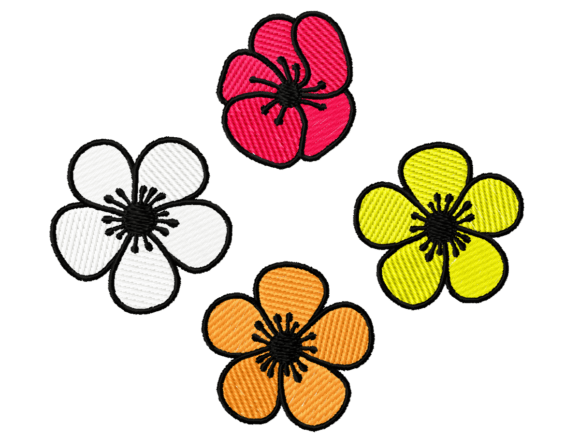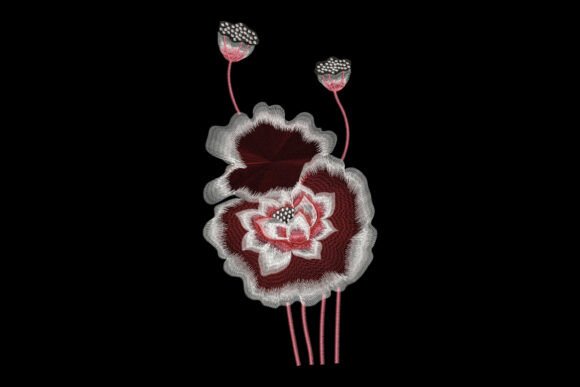
Blushing Peony Trio
A Thoughtful Review for Small Business Merchandise & Branded Patches
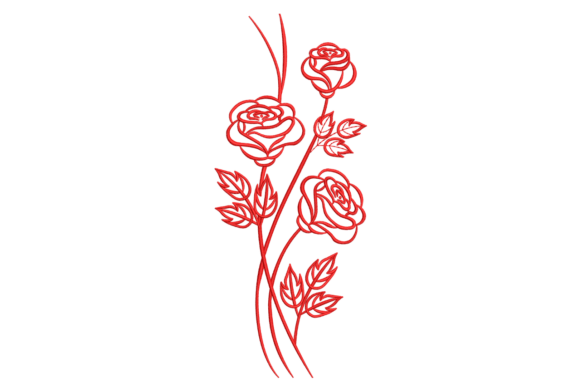
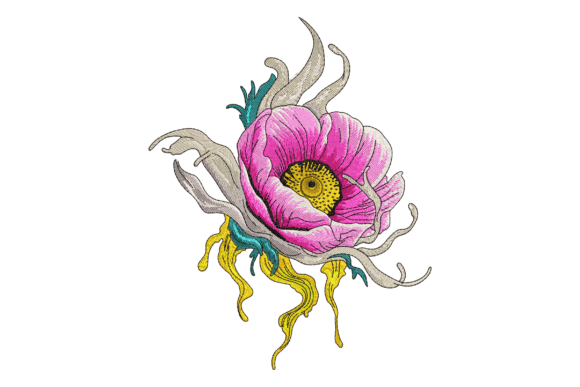
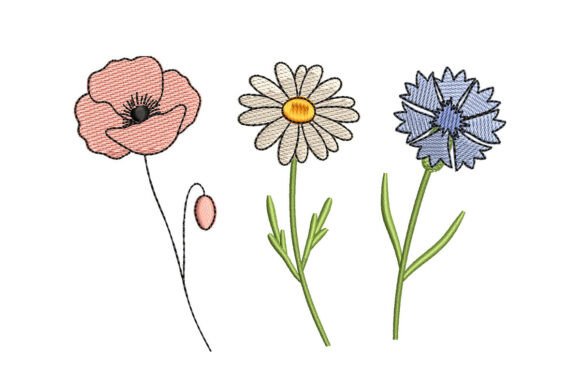
As an embroidery designer who’s developed and digitized hundreds of designs for small business clients—from neighborhood bakeries to indie florists and handmade pet accessory brands—I approached Blushing Peony Trio with both aesthetic curiosity and practical scrutiny. This isn’t just another floral motif; it’s a strategic brand asset waiting to be tested, refined, and deployed across real-world merchandise. The title alone—Blushing Peony Trio—immediately signals elegance, softness, and intentionality. Paired with the description (“lush elegance,” “gentle shades of blush and rose,” “rich texture and layered detail”), it reads as premium yet approachable—ideal for businesses that value craftsmanship without shouting for attention.
First Impression: Elegant, Handmade, and Commercially Versatile
The name and description position Blushing Peony Trio as neither overly rustic nor sterile-minimalist. It lands firmly in the sweet spot for boutique brands: warm enough for a local café apron, refined enough for a luxury skincare line’s embroidered tote bag, and distinctive enough to serve as a standalone patch on denim jackets or reusable market bags. Unlike bolder botanicals or stylized icons, this design leans into organic grace—making it especially effective for businesses rooted in care, creativity, or nature: florists, holistic studios, artisanal bakeries, and handmade product labels. As a Single Flowers Plants design within the broader Embroidery category, it offers focused visual impact without competing elements—critical when space is limited or branding must remain instantly legible.
Real-World Performance Across Merch Channels
In practice, Blushing Peony Trio excels where subtlety meets recognition. On staff uniforms—especially cotton-blend chef coats or linen aprons—it adds quiet sophistication without overwhelming function. As a chest logo or sleeve accent, its three-flower composition creates gentle rhythm and balance, avoiding the static feel of a single centered bloom. For cap embroidery, I recommend using it on structured front panels (not curved unstructured caps) to preserve petal definition. On tote bags, it shines as a mid-size side or bottom-corner motif—large enough to read at arm’s length but delicate enough not to dominate the entire surface.
For branded patches, Blushing Peony Trio performs best at 2.5”–3.5” width. At smaller sizes (under 2”), fine petal layering may compress or lose distinction—so always run a test stitch-out before bulk production. As a product packaging accent—say, stitched onto a fabric gift tag or sewn into a reusable pouch—it reinforces handmade authenticity and elevates perceived value. Etsy sellers and craft-based brands will find it particularly resonant: it communicates care in both subject matter and implied execution.
Where to Use With Intention—and Caution
While versatile, Blushing Peony Trio demands thoughtful placement. Avoid applying it to highly textured fabrics (like bouclé or heavy terry) without extra stabilizer—delicate petal outlines can blur. On dark uniforms, verify thread color contrast: blush and rose threads may mute on navy or charcoal unless paired with a light underlay or white fill base. Because the design emphasizes layered texture, high stitch density is likely—so confirm your machine handles dense fills comfortably, especially on lightweight fabrics prone to puckering.
Cap fronts and curved surfaces require careful digitizing adjustments—petals near edges may distort if not reshaped for curvature. And while the description mentions “hand-stitched” aesthetics, remember this is a machine embroidery design: the charm lies in replicating that handmade quality digitally, not mimicking imperfection. If your client expects visible handwork, clarify expectations early—or consider pairing the Blushing Peony Trio digital embroidery file with complementary hand-embroidered accents elsewhere on the garment.
Strengthening Brand Identity Through Thoughtful Embroidery
For small businesses, consistency is trust. A well-executed Blushing Peony Trio becomes more than decoration—it becomes shorthand for your values: thoughtfulness, natural beauty, and quiet confidence. When repeated across aprons, tote bags, and customer thank-you gifts, it builds visual continuity that strengthens recall. Customers don’t just see a flower—they register warmth, attention to detail, and a brand that invests in tactile quality. That perception directly supports pricing power, repeat engagement, and word-of-mouth credibility—especially among audiences drawn to handmade products and intentional design.
Practical Designer Notes Before You Stitch
- Test in black and white first: Assess silhouette clarity and negative space balance before committing to thread colors.
- Verify small-patch viability: Resize the Blushing Peony Trio embroidery file down to 1.75” and stitch a sample—check if inner petal definition holds.
- Review thread color contrast: Blush and rose threads behave differently on light vs. dark fabric—always swatch on your final substrate.
- Inspect spacing and density: Look for tight intersections between petals—these areas may need reduced stitch count or adjusted underlay to prevent stiffness.
- Confirm hoop size and stabilizer needs: Rich texture often means higher density—use cutaway or medium-weight tear-away stabilizer depending on fabric weight.
- Test on real fabric: Don’t rely solely on digital mockups—stitch on the exact material you’ll use for finished product.
- Create a printable mockup: Show clients how Blushing Peony Trio looks on their actual uniform or tote bag—not just a generic template.
- Compare alongside other design assets: Does it harmonize with your logo, typography, and packaging? Does it extend—not compete with—your existing brand language?
- Confirm commercial licensing: Ensure your digital embroidery file purchase includes rights for resale, promotional use, and client projects—this is non-negotiable for commercial embroidery.
Bottom line: Blushing Peony Trio is more than a floral embroidery design—it’s a flexible, emotionally intelligent tool for small business branding. When applied with intention, it transforms everyday items into memorable touchpoints. Whether you’re stitching for a flower shop’s seasonal tote launch or building cohesive merch for a creative studio’s rebrand, this trio brings lush elegance without sacrificing wearability, recognition, or professionalism. Just remember: great embroidery begins with smart testing, honest evaluation, and respect for how real people interact with your brand—one stitch, one patch, one apron at a time.