Romance in Bloom
First Impressions: A Design That Breathes Quiet Romance
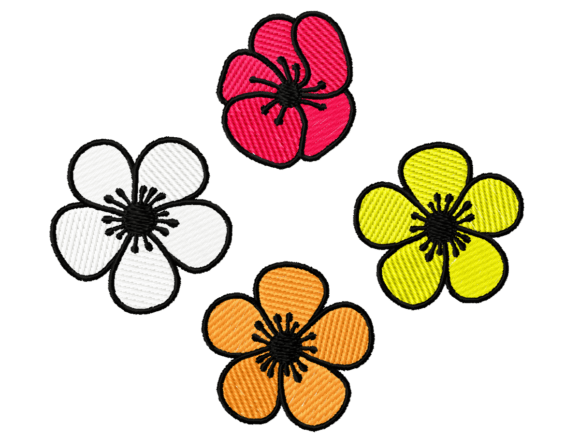
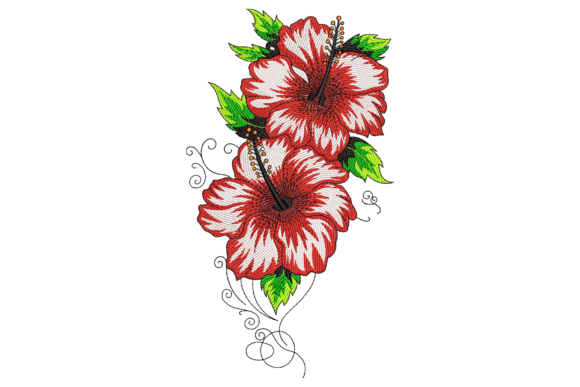
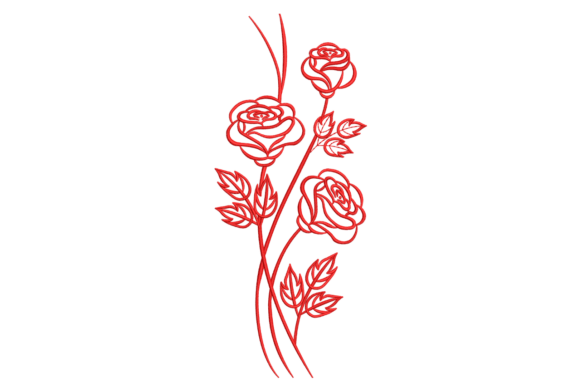
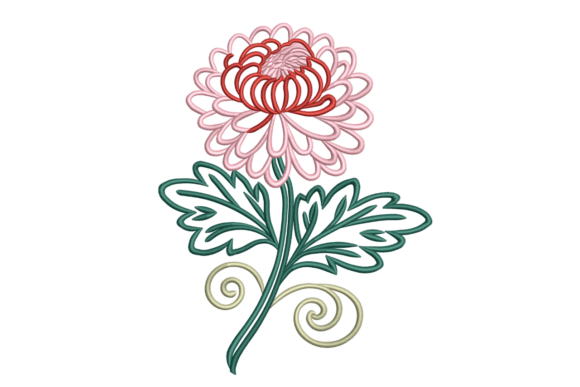
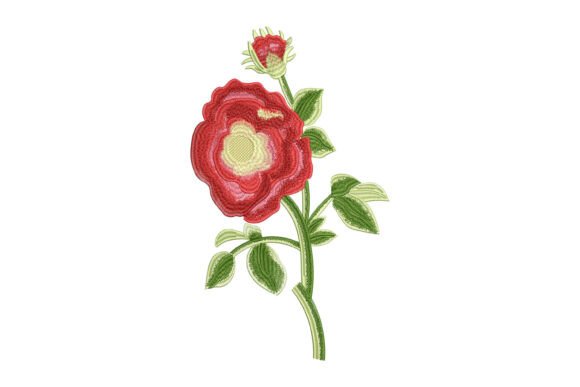
As an embroidery designer who’s stitched thousands of personalized gifts—from newborn onesies to heirloom wedding handkerchiefs—I opened the Romance in Bloom embroidery file with genuine curiosity. What greeted me wasn’t just another floral motif—it was a whisper of springtime intimacy. The design lives up to its name: lush, delicately layered blossoms that unfurl with gentle asymmetry, evoking a romantic garden at golden hour. It feels handmade, not mass-produced—soft-edged petals, subtle overlapping layers, and intentional negative space give it breathing room on fabric. This isn’t bold or botanical; it’s tender, elegant, and quietly timeless. It leans classic-romantic rather than modern-minimalist, making it ideal for customers seeking emotional resonance over trend-chasing.
Where Romance in Bloom Truly Shines
This machine embroidery design is a quiet powerhouse for personalized gift products—especially when sentiment matters more than size. Here’s where it consistently delivers:
- Baby embroidery: Stitched on organic cotton swaddles or muslin blankets, Romance in Bloom reads as soothing, nurturing, and gently celebratory—not cutesy or overwhelming. Perfect for gender-neutral nursery decor or birth announcements.
- Wedding gifts: Imagine it centered on linen pillow covers for the couple’s bed, or subtly embroidered on the corner of a silk handkerchief. Its grace aligns beautifully with vows, first dances, and keepsakes meant to last decades.
- Embroidered towel & kitchen linens: On high-quality flour-sack or waffle-weave towels, the layered blossoms hold shape and softness—even after repeated washing (with proper stabilizer). Avoid overly thick terry, but standard cotton towels? Ideal.
- Pillow covers, tote bags & aprons: The design scales well across medium-to-large hoop sizes. Its balanced composition prevents visual “crowding” on structured items like canvas totes or linen aprons—making it a standout for craft fairs and Etsy listings.
- Custom order previews: Because Romance in Bloom carries such clear emotional tone, customers instantly “get” the vibe. It builds trust fast—especially for small shop owners offering digital embroidery files or finished handmade products.
Thoughtful Placement Matters
While versatile, Romance in Bloom rewards intentionality. Use it thoughtfully on:
- Textured fabric: Works beautifully on linen, quilting cotton, and lightweight denim—but test first on scrap. Highly napped or fuzzy fabrics (like fleece or sherpa) may obscure delicate petal edges.
- Dark fabric: The layered nature means thread color contrast is essential. On navy or charcoal, choose creamy ivories, soft mauves, or muted sage greens—not stark white—to preserve depth and dimension.
- Curved surfaces & stretchy baby clothes: Avoid tight curves (like sleeve cuffs) or highly elastic knits (e.g., newborn bodysuits). Stick to flat, stable panels—front chest areas, blanket corners, or towel hems—for clean results.
- Frequent-wash items: Confirm stitch density before stitching on baby blankets or kitchen towels. Overly dense fills can stiffen fabric or encourage thread wear. A light-to-medium density preserves drape and durability.
Why Customers Choose—and Remember—This Design
Romance in Bloom doesn’t just decorate—it connects. In my experience reviewing hundreds of designs for gift shops and Etsy sellers, this one consistently lifts perceived value. Why? Because it signals care: careful layering implies craftsmanship; soft color harmony suggests thoughtful curation; and its Single Flowers Plants category positioning makes it feel intentional—not generic. When photographed on a folded linen towel or tucked into a gift box with dried lavender, it invites engagement. Buyers pause. They imagine gifting it. They picture the moment it’ll be unwrapped. That emotional hook is gold for handmade product sellers building loyal followings.
Practical Embroidery Notes Every Maker Should Follow
Before stitching your first customer order—or uploading to your Etsy shop—take these steps:
- Test on scrap fabric matching your intended product (e.g., terry cloth for towels, cotton poplin for pillow covers).
- Check thread color contrast, especially on dark or textured backgrounds. Print a digital embroidery file mockup side-by-side with actual thread swatches.
- Confirm hoop size compatibility. Does Romance in Bloom fit comfortably within your most-used hoops without re-hooping mid-stitch?
- Review stitch density. If the file includes multiple color stops, verify no tiny details are lost in dense underlay or fill transitions.
- Use appropriate stabilizer: Tear-away for stable wovens, cut-away for knits or towels, and lightweight fusible for sheer fabrics.
- Compare light and dark fabric mockups—not just digitally, but stitched. Petal definition shifts dramatically.
- Inspect small details post-stitch: Are inner stamens or leaf veins legible? If not, adjust tension or needle size.
- Verify commercial licensing before selling finished products or reselling the digital embroidery file. Terms vary by seller—always confirm before listing.
A Final Thought for Small Business Makers
Romance in Bloom is more than a floral embroidery—it’s a storytelling tool. Whether you’re curating a bridal boutique collection, launching a line of nursery essentials, or designing custom totes for local florists, this design helps you speak softly but memorably. It attracts customers who value meaning over mass production, who understand that a single bloom, carefully stitched, can carry love across generations. For Etsy sellers and small shop owners, that kind of resonance translates directly to repeat orders, heartfelt reviews, and word-of-mouth referrals. Just remember: let the design breathe, honor its quiet elegance, and always stitch with intention. That’s where true personalization begins.