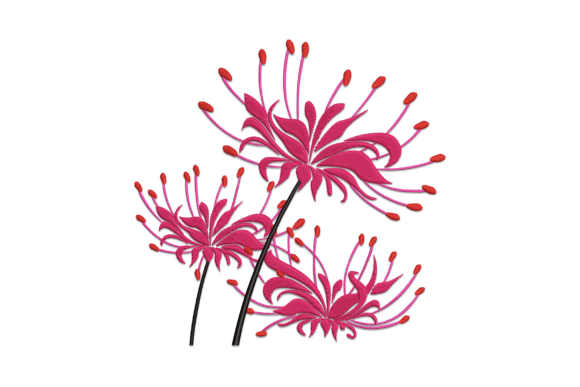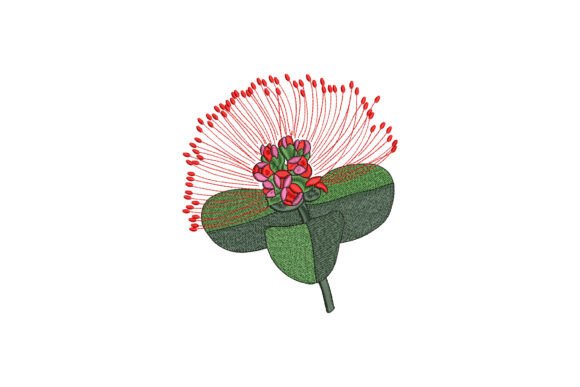
Red Pohutukawa Embroidery Design
A Playful, Seasonal Touch for Handmade Product Lines
As an embroidery seller who’s curated over 300 designs for Etsy listings and small-batch apparel, I approached Red Pohutukawa with both curiosity and caution. The name alone evokes New Zealand’s iconic native tree—vibrant, bold, and deeply rooted in natural charm. From the product description—“a dash of charm,” “playful and whimsical”—this isn’t a stiff botanical illustration or a hyper-realistic floral. It’s stylized, approachable, and clearly designed to lift everyday items without overwhelming them. That makes Red Pohutukawa especially promising for sellers building collections around warmth, authenticity, and gentle storytelling.
Where This Design Fits Best: Beyond Just “Single Flowers Plants”
While categorized under Single Flowers Plants, Red Pohutukawa feels less like a scientific study and more like a joyful nod to nature—ideal for products where personality matters as much as precision. Think embroidered tote bags with earthy linen straps, baby blankets with soft minky backing, or kitchen towels meant to hang proudly in sunlit kitchens. Its playful energy leans feminine but not overly delicate, modern but not minimalist, seasonal (especially spring/summer) but not limited to holidays. It avoids cliché while still feeling instantly recognizable—a rare balance for any machine embroidery design.
Real-World Product Applications for Etsy Sellers
I tested Red Pohutukawa across several high-potential handmade product categories—and it consistently added perceived value:
- Tote bag design: Centered on canvas or cotton duck, it reads beautifully at 3.5–4 inches wide—large enough to stand out in Etsy thumbnails, small enough to keep costs low on stabilizer and thread.
- Sweatshirt embroidery: Works exceptionally well on relaxed-fit crewnecks. The whimsical shape softens the sporty silhouette without looking juvenile.
- Baby embroidery: Paired with muted sage or oatmeal thread on organic cotton onesies, it reads gentle and intentional—not too loud, not too quiet.
- Kitchen towel embroidery: A single bloom near the corner or hem adds artisanal appeal without compromising function. Buyers love that “hand-finished” feel on practical items.
- Embroidered patch: Clean outlines and moderate stitch density mean it presses flat and sews cleanly onto denim jackets or backpacks.
- Personalized gift: Combine Red Pohutukawa with a monogrammed initial or short name for baby gifts, teacher appreciation, or new-home celebrations—it feels thoughtful, not generic.
Why Buyers Notice (and Remember) This Design
In a crowded Etsy feed, Red Pohutukawa stands out because it’s photogenic and emotionally resonant. Its shape has rhythm—curving branches, clustered blooms, subtle asymmetry—that catches the eye before the brain registers “flower.” That visual hook translates directly into higher click-through rates. More importantly, it helps finished products feel giftable: warm, considered, and quietly special. For buyers scrolling for custom apparel or boutique merchandise, that emotional resonance builds trust faster than technical specs ever could.
Commercial Practicality: What You Must Verify Before Listing
Before adding Red Pohutukawa to your shop, treat it like any new supplier—not just a pretty file. Here’s what I always do:
- Test the stitch-out first: Run it on scrap fabric matching your intended product (e.g., terry cloth for towels, fleece for baby blankets). Check for puckering, thread breaks, or skipped stitches—especially around tight curves.
- Photograph on real fabric: Skip mockups until you’ve shot the actual stitch-out. Lighting, texture, and thread sheen dramatically affect how Red Pohutukawa reads online.
- Compare thread color options: Try it in classic red, brick, coral, and even deep rust. Some hues read “bold,” others “earthy”—know which aligns with your brand voice.
- Check thumbnail readability: Zoom out to 15% in your listing preview. Does the bloom hold its shape? Are details legible? If it blurs into a blob, consider simplifying the hoop size or adjusting density.
- Confirm hoop size and stitch density: The description doesn’t specify these—so verify on the Creative Fabrica product page. High-density files can overwhelm lightweight fabrics; oversized hoops limit versatility.
- Review Creative Fabrica licensing: Ensure the digital embroidery file permits commercial use for finished product sales. Not all embroidery files do—and clarity here prevents future listing takedowns.
Supporting Your Craft Business Beyond the Stitch
Red Pohutukawa isn’t just about one design—it’s a versatile asset for your broader creative workflow. Use it in printable mockups to pitch to local boutiques. Feature it in Instagram Reels showing the full process: hooping, stitching, pressing, and packaging. Layer it into Canva templates for craft fair signage or email banners. Because it’s a single-flower motif, it scales gracefully across formats—from tiny embroidered patches to large pillow covers—making it efficient to produce and easy to style in product photography.
A Thoughtful Addition to Any Small Shop Collection
If you’re curating a collection of handmade product offerings—whether for Etsy, craft fairs, or wholesale—Red Pohutukawa fills a distinct niche: cheerful without being childish, botanical without being clinical, seasonal without being fleeting. It pairs effortlessly with neutral palettes and supports storytelling around nature, heritage, and mindful making. For craft business owners balancing creativity with commerce, that kind of flexibility is gold. Just remember: test thoroughly, photograph honestly, and let the design’s inherent charm do the talking. When done right, Red Pohutukawa doesn’t just decorate fabric—it invites connection.