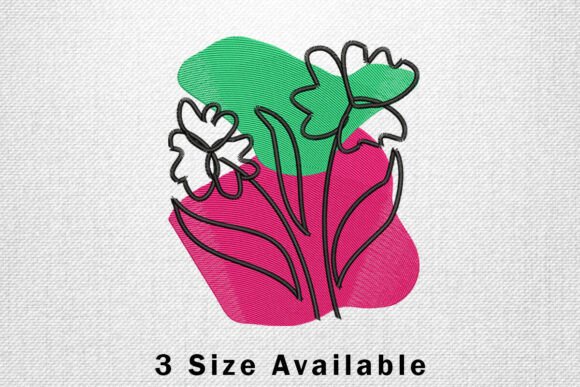
Modern Abstract Flower
A Seasonal Designer’s First Look: Whimsy Meets Wearability
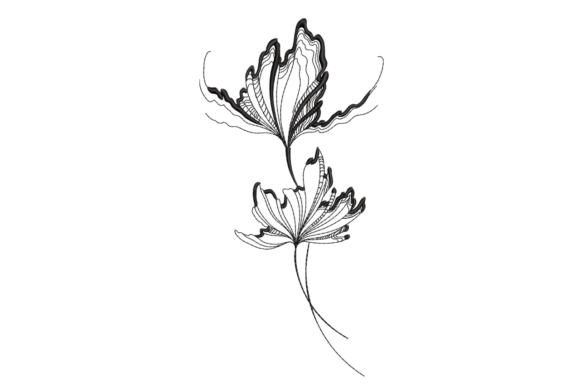
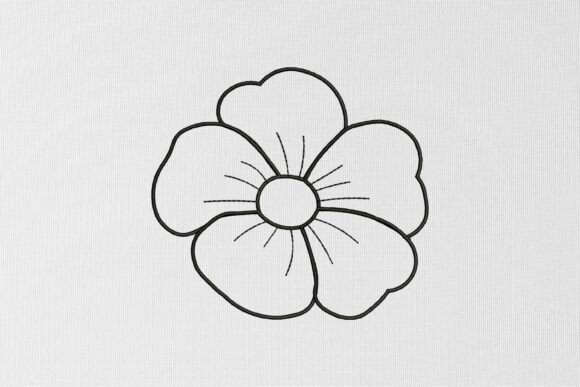
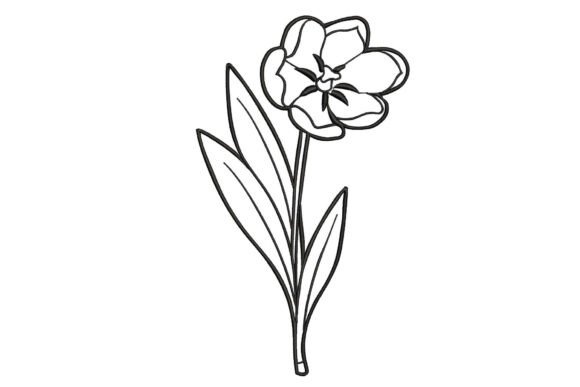
As an embroidery designer who’s built six holiday collections for Etsy sellers and small-batch apparel brands, my first impression of Modern Abstract Flower is immediate: it lands somewhere between joyful and grounded—playful enough for kids’ aprons and refined enough for linen pillow covers. It doesn’t shout “Christmas” or “Easter,” but breathes seasonal flexibility. The outline style gives it lightness; there’s no heavy fill work to weigh down delicate fabrics or overwhelm small hoop sizes. Its charm lies in gesture—not botanical precision—but in confident, looping lines that suggest petals, stems, and movement all at once. That makes it ideal for holiday product drops where you need visual cohesion across categories: think matching family sweatshirts, embroidered kitchen towels for hostess gifts, or minimalist ornaments with a handmade soul.
Where It Shines: Real Holiday Product Use Cases
Modern Abstract Flower thrives in contexts where personality matters more than literalism. For Etsy sellers, it’s a strong anchor for gift bundles—pair it with neutral-toned tote bags and a handwritten tag saying “Bloom With Joy This Season.” On sweatshirt embroidery, its open structure avoids stiffness, so even after repeated washing, the design stays crisp and soft. As a tote bag design, it reads cleanly from a distance at craft fairs—no tiny details lost in booth lighting or crowd movement. On kitchen towel embroidery, it adds warmth without cluttering functional space. And as a pillow cover motif? It elevates cotton-linen blends into intentional home decor—not just filler items, but curated moments.
It also works beautifully as an embroidered patch—ideal for limited edition apparel drops or personalized gifts like baby onesies (paired with gentle stabilizer) or aprons for baking-themed holiday kits. Because it’s an outline flower, it scales well: shrink it for ornament backings or expand it across table linens for festive dinner settings. Social media previews pop too—the clean lines translate crisply in printable mockups and Instagram carousels, helping small shop products stand out in crowded feeds.
Where to Proceed Thoughtfully
Like any smart seasonal choice, Modern Abstract Flower asks for intentionality—not limitation. Avoid using it on curved caps unless you’ve confirmed compatibility with your cap frame and digitizing adjustments. Its open outlines can distort on highly stretchy garments (think ribbed knits or lightweight jersey), so test stitch density and stabilizer pairing before bulk production. On thick towels or textured weaves, consider adding a light tear-away layer beneath cutaway stabilizer to prevent puckering. Dark fabric demands careful thread color testing—what reads airy in ecru on ivory may vanish on navy unless you opt for tonal contrast or metallic accents (though metallic thread requires slower speeds and tighter tension checks).
Don’t force it into tiny hoops under 3x3 inches without verifying detail retention—some loops and negative space may compress unpredictably. And while it’s not a dense fill-heavy design, always review the actual embroidery file for stitch count consistency: uneven density can cause shifting on satin-stitch borders or misalignment in multi-position placements (like coordinated pillow + towel + tote sets).
How It Lifts Your Seasonal Strategy
This isn’t just another machine embroidery design—it’s an emotional connector. During holiday shopping, buyers don’t just buy a product; they buy meaning, memory, and mood. Modern Abstract Flower supports that quietly: it feels handmade without looking amateurish, modern without feeling cold, and festive without leaning on clichés. That builds customer trust—especially for first-time buyers browsing your Etsy shop or local craft fair stall. Its versatility strengthens brand consistency across product types, so whether someone sees it on a mug cozy or a baby blanket, they recognize your aesthetic language.
It also increases giftability. A single embroidery file becomes five finished products: a set of embroidered napkins, a matching oven mitt, a custom gift tag, a patch for a denim jacket, and a framed hoop art piece—all unified by one cohesive motif. That multiplicity boosts perceived value and encourages bundle purchases. And because it’s not tied to one specific holiday, it extends shelf life: use it for spring showers, summer picnics, autumn gatherings, and winter gifting—making your digital embroidery file a year-round asset, not a one-season flash.
Designer Notes You’ll Want Before Stitching
- Test thread colors on both light and dark fabric—a soft sage green reads differently on oatmeal linen versus charcoal cotton.
- Confirm hoop size compatibility before designing full layouts—especially if planning repeat patterns or mirrored placements.
- Use proper stabilizer: medium-weight cutaway for stable fabrics like canvas or twill; tear-away + light cutaway combo for knits or towels.
- Create realistic mockups—not just flat PNGs, but printable mockups showing drape, texture, and scale on real garment silhouettes.
- Review small details after stitching: check loop continuity, stem alignment, and edge sharpness—especially after laundering tests.
- Plan matching color palettes across your seasonal line—let the embroidery guide your fabric swatches, packaging ribbons, and social media filters.
- Confirm commercial licensing before selling finished seasonal products—this is non-negotiable for Etsy sellers and small business owners.
Final Thought: A Design That Grows With Your Shop
Modern Abstract Flower isn’t flashy—but it’s reliable, expressive, and quietly strategic. In a market flooded with overdesigned holiday embroidery, its restraint becomes its strength. It invites customization without demanding it. It fits into Outline Flowers as a fresh voice—not derivative, not trend-chasing, but thoughtfully calibrated for real people making real products for real seasons. Whether you’re launching your first holiday collection or refining your tenth, this machine embroidery design earns its place—not as filler, but as foundation.