Minimal Flower Embroidery Review
A First Impression: Whimsical, Light, and Intentionally Uncluttered
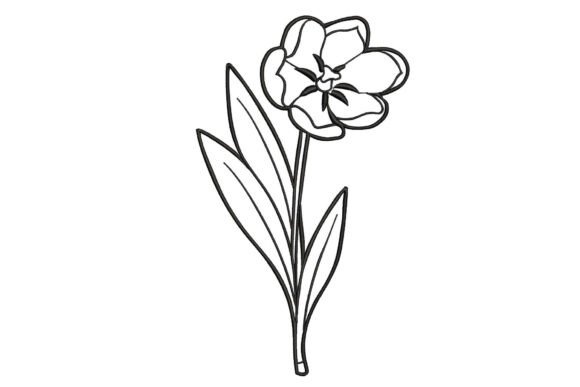
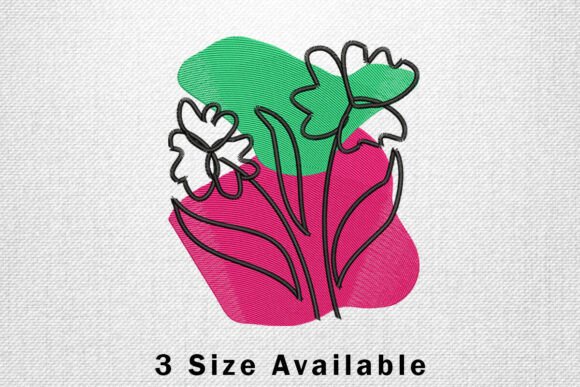
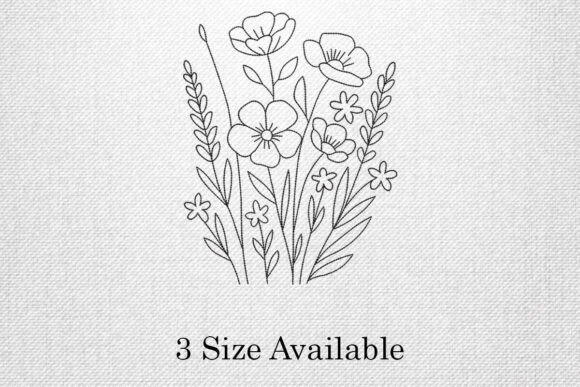
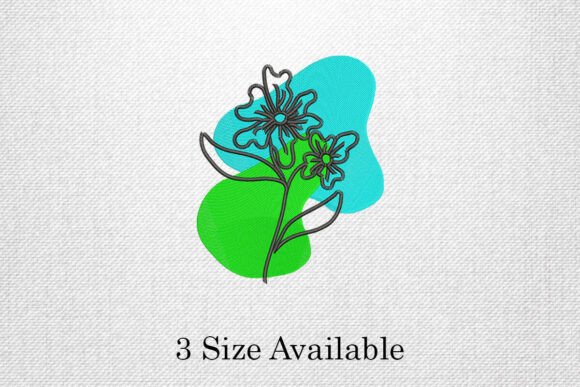
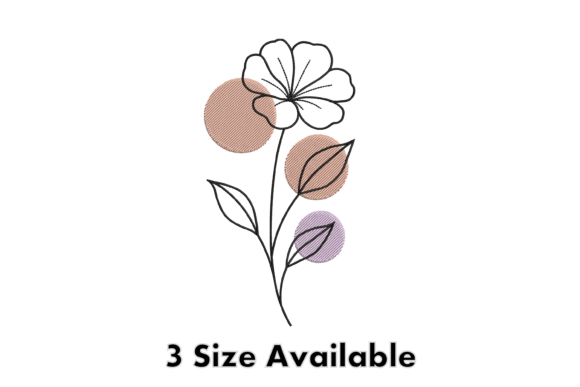
Opening the Minimal Flower embroidery file on my design software, I immediately felt its quiet confidence. This isn’t a dense, high-stitch-count bloom—it’s an outline flower with clean line work, gentle curves, and intentional negative space. The visual personality leans into soft whimsy rather than botanical realism: think sketchbook charm, not botanical illustration. It reads as feminine without being fussy, playful without tipping into childish, and minimal without feeling sparse. For boutique apparel—especially neutral-toned sweatshirts and pastel hoodies—Minimal Flower lands like a thoughtful whisper rather than a shout. Its decorative strength lies in subtlety, making it ideal for brands that value refined handmade product aesthetics over maximalist flair.
Sweatshirt & Hoodie Performance: Chest Placement That Breathes
For my upcoming small-batch hoodie collection, I tested Minimal Flower across placements: left chest, sleeve cuff, and lower back. On heavyweight French terry sweatshirts, it held beautifully at 3.5" wide—small enough to avoid overwhelming the garment but large enough to read clearly in lifestyle product photos. The outline style avoids heavy stitch density, which is critical for fleece and ribbed fabric: no puckering, no distortion, no stabilizer show-through. On dark garments, I paired it with matte ecru or heathered grey thread—no metallics needed. The design’s openness lets the fabric texture shine through, reinforcing a premium, tactile feel. On oversized hoodies, it worked especially well centered just below the collarbone—a modern, elevated alternative to traditional chest logos.
T-Shirt & Denim Jacket Versatility
Minimal Flower shines on lightweight cotton tees when placed slightly off-center on the upper left chest or subtly along the hemline. Its low stitch density means less risk of stiffness or cracking after repeated washes—key for custom apparel longevity. On denim jackets, it adds artisanal contrast without competing with hardware or pockets. Because it’s an outline flower, it adapts seamlessly to curved surfaces like shoulders or lapels when hooped carefully. Just remember: always test on scrap denim first. The fabric texture can shift line definition, and a light tear-away stabilizer usually delivers cleaner results than cut-away for this design’s simplicity.
Tote Bags & Boutique Merchandise: Consistency Without Repetition
As an Etsy seller building cohesive seasonal bundles (think “Spring Edit” kits), Minimal Flower became my quiet anchor. Applied to natural canvas totes, linen pouches, and organic cotton tees, it creates visual consistency across product categories—even without matching colors or fonts. Buyers recognize the motif across listings, strengthening brand identity without needing a logo lockup. Its scale translates cleanly from digital embroidery file to finished product, making printable mockups look authentic and trustworthy. That reliability builds buyer trust: when customers see consistent, well-executed stitching across your shop, they assume the same care went into sourcing, packaging, and service.
Where to Use Minimal Flower Thoughtfully
- Small chest placement: Ideal—its proportions suit 2.5"–4" hoop sizes without crowding.
- Stretchy fabric: Works best with light- to medium-weight stabilizer; avoid heavy stretch knits unless you’ve tested seam allowance movement.
- Dark garments: Choose matte thread colors with subtle contrast—avoid high-gloss threads that catch light unevenly.
- Curved surfaces (like sleeves): Hoop with gentle tension and use a stabilizer that moves with the fabric—not against it.
- Fleece or thick ribbing: Confirm hoop size fits comfortably; avoid designs requiring tight corner precision—Minimal Flower’s flowing lines handle texture gracefully.
Design Notes Every Embroidery Professional Should Check
Before committing to production, I always run these checks with any Creative Fabrica embroidery purchase:
- Test on scrap fabric matching your final garment—same weight, knit, and finish.
- Review stabilizer choice: light tear-away for stable wovens, soft cut-away for knits.
- Confirm thread color contrast—especially on heathers or textured fabrics where outlines can fade visually.
- Inspect stitch density: Minimal Flower appears low-density, but verify no overlapping runs or tiny jump stitches that could snag.
- Compare placement options using a printed template—scale matters more than you think on oversized garments.
- Double-check Creative Fabrica product details: file formats included, recommended hoop size range, and commercial license terms before selling finished apparel.
Why Minimal Flower Fits Boutique Brand Strategy
In a crowded market of handmade product listings, Minimal Flower supports what buyers actually respond to: authenticity, cohesion, and quiet intentionality. It doesn’t scream “look at me”—it invites closer inspection. That nuance elevates your small shop product from craft to considered design. When used consistently across t-shirts, sweatshirts, and totes, it becomes part of your visual language—something repeat customers begin to associate with your boutique brand. And because it’s flexible across thread colors and garment types, it scales quietly: one embroidery file, multiple applications, zero visual fatigue. For creative entrepreneurs building long-term recognition—not just seasonal trends—Minimal Flower is less a decoration and more a strategic detail.
Final Thought: A Design That Respects the Garment
What makes Minimal Flower stand out among Outline Flowers isn’t complexity—it’s restraint. It respects the fabric it lives on, the wearer who chooses it, and the maker who stitches it. In sweatshirt embroidery, where bulk and comfort are non-negotiable, that respect translates directly into wearability, professionalism, and perceived value. If you’re curating a collection where every stitch must earn its place, this machine embroidery design earns yours—quietly, confidently, and completely.